
In an increasingly uncertain environment, where global disruptions have become a constant, resilient supply chains have become a key factor in maintaining competitiveness and ensuring business continuity. But what exactly does it mean to have a resilient supply chain? 0And how is it built?
What are resilient supply chains?
A resilient supply chain is one that has the ability to anticipate, adapt and recover quickly to any type of disruption, whether caused by weather events, health crises, geopolitical issues or internal operational failures.
Resilience does not mean simply resisting the impact, but responding in an agile and efficient manner, minimizing negative consequences on operations and maintaining the quality of customer service.
For carriers, resilience means being able to react quickly to unforeseen events such as cargo delays, blocked routes or unexpected peaks in demand, without impacting performance or operating costs.
Benefits of a Resilient Supply Chain
Implementing a resilient supply chain brings multiple operational, strategic and economic advantages:
- Reduced risks and vulnerabilities: in the face of any unexpected event, a resilient organization can maintain operational continuity, reducing losses and avoiding service interruptions.
- Increased adaptability: companies can adjust their processes, routes or suppliers quickly, which is key in sectors such as transportation, where logistical changes are commonplace.
- Improved customer service: delivering on time, even in adverse situations, generates customer confidence and loyalty, which is essential in competitive environments such as retail or ecommerce.
- Optimization of logistics resources: a resilient chain allows a more efficient use of vehicles, warehouses and personnel, avoiding bottlenecks and reducing downtime.
- Long-term cost savings: although implementing resilience requires investment, it translates into lower losses due to interruptions and greater financial stability over time.
- Better brand reputation: companies that demonstrate crisis responsiveness project an image of strength and commitment to their customers and logistics partners.
Cómo construir cadenas de suministro resilientes
Achieving a resilient chain is not a matter of luck, but of planning, technology and organizational culture. For carriers and logistics operators, this means adopting digital tools, improving communication between teams and partners, and anticipating potential crisis scenarios.
Here are the main keys to building resilient supply chains, with a practical approach adapted to the transport sector:
End-to-end visibility
Having a complete view of the state of operations, from the supplier to the end customer, allows informed decisions to be made and problems to be anticipated. This is where the use of logistics software comes into play, facilitating real-time tracking of goods, vehicles and resources.
Operational flexibility
The ability to change routes, transport modes or resource allocations quickly is essential. Carriers working with digital solutions can reroute deliveries or rearrange loads in a matter of minutes, avoiding further delays or costs.
Collaboration between stakeholders
Fostering fluid communication between all links in the chain (customers, suppliers, logistics operators and carriers) is essential to react quickly. An isolated supply chain is a vulnerable chain.
Digitalization and intelligence
The use of tools such as TMS software comes in. (transportation management systems) allows you to analyze scenarios, optimize routes and make data-driven decisions. This is especially useful in crisis situations or sudden changes, where a quick and effective response is needed.
Scenario-based planning
Having alternative plans and simulations for different types of disruptions makes it possible to act with greater certainty. Some advanced TMS offer simulators that allow you to anticipate how a disruption would affect the transportation network and how to adapt.
Transportation application example
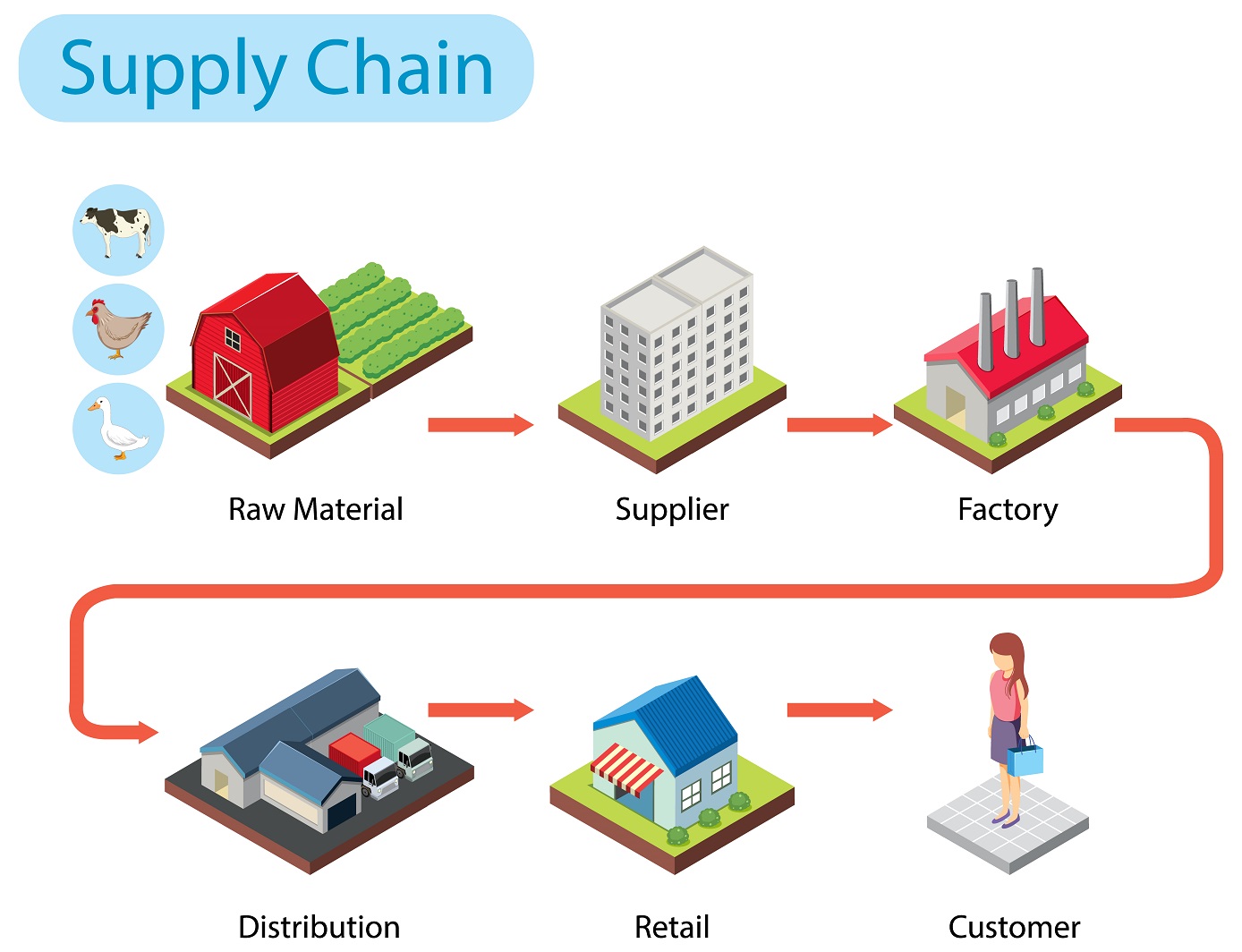
Imagine a company that distributes fresh produce to supermarkets. One morning, one of its trucks is affected by the unexpected shutdown of a main road due to an accident. Without good preparation, this could lead to delays, loss of product and penalties for failure to keep to schedule.
However, thanks to a resilient supply chain and the use of logistics software, the carrier detects the incident in real time, calculates an alternative route from its TMS software, and redistributes some of the cargo to other nearby vehicles. In addition, it automatically informs customers of the new estimated delivery time.
With this responsiveness, the company maintains its level of service, avoids losses and demonstrates professionalism to its customers. That is the real difference that operational resilience makes.
Conclusion
Resilient supply chains are no longer an option, but a strategic necessity for any organization that relies on logistics processes. In a world where unforeseen events are part of everyday life - whether it's a transportation strike, a bottleneck at a border or a storm that paralyzes a key route - having a logistics network that can adapt quickly can make the difference between meeting a customer... or losing one.
For shippers, building resilience means something very concrete: being able to keep operating even when conditions change suddenly. It means having alternatives, real-time information and tools that allow them to reorganize resources in an agile and efficient manner.
And that's where digital solutions like TMS software or any other logistics software come into play to make data-driven decisions, automate critical processes and better coordinate with the other players in the chain.
The good news is that resilience is not just for large corporations. Every transportation company, no matter how small or medium-sized, can take steps toward a more robust, smarter and more prepared chain. And the sooner you start, the greater the benefits in the medium and long term.
Because in logistics, the question is no longer whether disruption will occur. The real question is: are you ready for it?

Communications & Marketing Responsible at Hedyla
Multimedia Technical Engineer. Working 11 years in the Audiovisual and Communication Department of a multinational company. Responsible for the Marketing and Communication Department in several companies in the technology sector.
Designing digital strategies. Innovating and adding value to communication.