
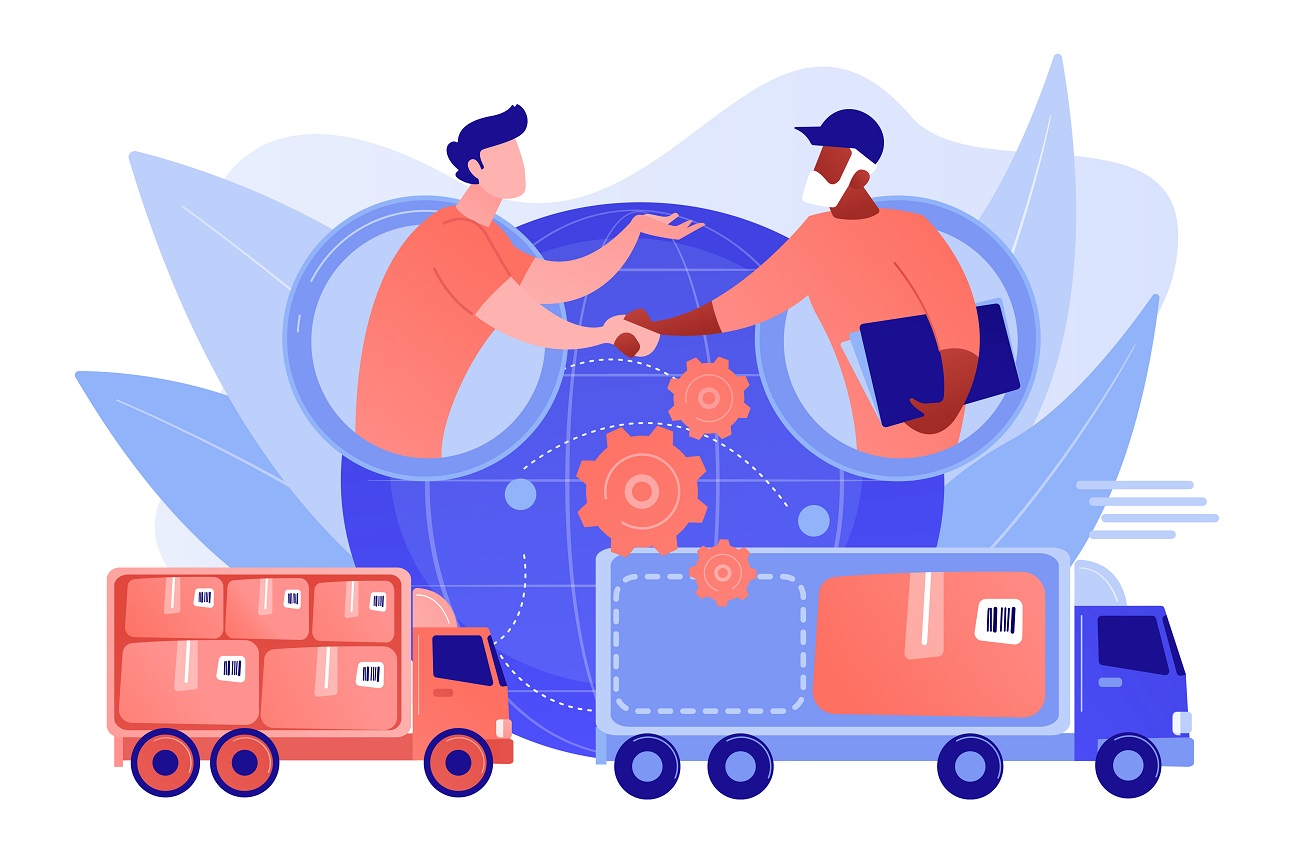
Freight transportation is a fundamental pillar in logistics, and choosing between Less-Than-Truckload (LTL) or Full Truckload (FTL) is a key decision for carriers and logistics operators. Each mode has specific advantages depending on the type of goods, the distance and the urgency of delivery. In this article, we look at the differences between the two options and their main uses in the transportation industry.
What is Less-Than-Truckload (LTL) transportation?
Less Than Truckload (LTL) is a transportation model in which several loads from different customers share a single truck. Instead of booking an entire truck, carriers optimize the available space by grouping different shipments together.
Advantages of LTL transportation
- Cost reduction: by sharing space with other loads, transportation costs are divided among customers.
- Flexibility: ideal for medium or low volume shipments, allowing a constant flow of goods without the need to fill a full truck.
- Lower environmental impact: by consolidating loads, fuel usage is optimized and emissions are reduced.
Uses of LTL transportation
- In distribution channels with multiple delivery points.
- For companies with recurring shipment needs in small volumes.
- When transporting goods that are not urgent and can wait for consolidation.

What is full truckload transport (FTL)?
Full Truckload (FTL) consists of reserving an entire truck for the movement of a single load. This model is ideal for companies moving large volumes of time-sensitive products or goods
Advantages of FTL transport
- Faster: no consolidation or intermediate stops required, shipments reach their destination faster.
- Freight safety: less handling reduces the risk of damage or loss.
- Optimized for large volumes: full vehicle capacity is utilized, making it ideal for companies with high logistical demands.
Uses of LTL transportation
- For urgent or long-distance shipments without intermediate stops.
- For delicate or high-value products that require safe and tamper-free transport.
- In companies with constant logistic needs and large volumes of cargo.
When to choose LTL and FTL?
Choosing between LTL and FTL depends on several factors:
- Shipment size: if the goods will not fill a truck, LTL is the most cost-effective option.
- Delivery time: for urgent shipments, FTL guarantees faster delivery and fewer delays.
- Budget: if you are looking to optimize costs, LTL transportation allows for cost sharing.
- Type of commodity: delicate or high-value cargo can benefit from less handling in FTL.
- Frequency of shipments: companies with recurring shipping needs can combine both modes to improve efficiency.
For example, a consumer products distribution company with multiple delivery points in different cities can opt for LTL to supply several stores in moderate quantities. This model allows it to replenish inventory with periodic shipments without the need to hire full truckloads, reducing costs and optimizing its logistics. In addition, by sharing transportation with other companies, empty trips are minimized and the sustainability of the service is improved.
On the other hand, an industrial machinery manufacturer that needs to ship large equipment directly to an assembly plant in another region will opt for FTL. In this case, using a full truckload ensures that the cargo travels without transshipment or additional handling, reducing the risk of damage and improving product safety. In addition, by delivering directly, lead times are minimized, which is crucial when machinery must be available within a certain timeframe to keep up with production at the destination plant.
In some cases, companies can even combine both strategies. For example, an appliance distributor could use FTL to supply its main logistics centers and then distribute the products to smaller outlets via LTL shipments, thus optimizing the efficiency and cost of its supply chain.
Conclusion
The choice between breakbulk and full truckload not only impacts transportation costs, but also operational efficiency and business sustainability. While LTL offers a flexible and cost-effective solution for smaller volume shipments, FTL is the best option for large, time-sensitive loads that require greater security and speed of delivery.
For shippers and logistics operators, understanding the advantages of each mode is key to optimizing their operations. In addition, implementing freight management software facilitates strategic decision making by providing visibility into costs, transit times and truck availability.
The use of a TMS software also allows you to automate processes, improve traceability and optimize routes, which translates into greater efficiency and competitiveness in the market. The digitization of the logistics sector is a growing trend, and taking advantage of appropriate technological tools will make a difference in the profitability and quality of the transport service.

Communications & Marketing Responsible at Hedyla
Multimedia Technical Engineer. Working 11 years in the Audiovisual and Communication Department of a multinational company. Responsible for the Marketing and Communication Department in several companies in the technology sector.
Designing digital strategies. Innovating and adding value to communication.