Sustainable urban mobility: How technology is transforming city transportation

Thanks to technology, sustainable mobility in cities can become a reality that transforms the way we live and move.


Now more than ever, cities need solutions that reduce emissions, ease congestion, and ensure citizens’ quality of life. Institutions, companies, and citizens all play a key role in this process — and digital innovation is emerging as the driving force to make it possible.

What does sustainable urban mobility mean?

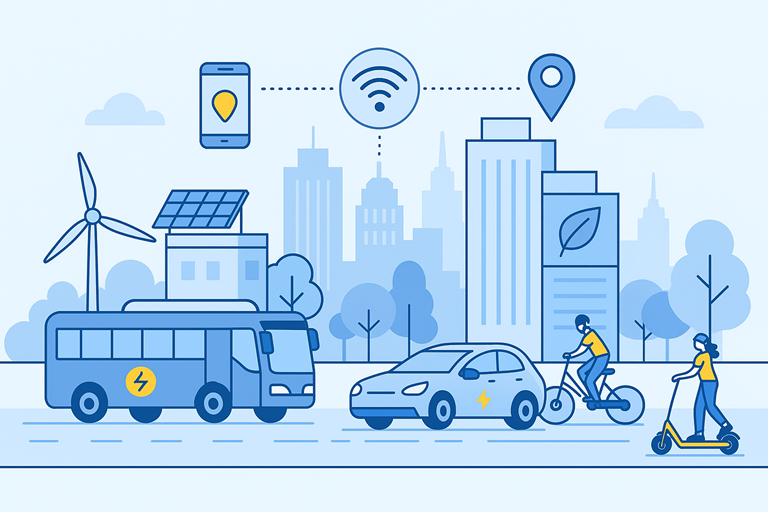
When we talk about sustainable mobility in cities, it’s not just about using electric vehicles. The concept goes far beyond that and involves:

  • Reducing carbon footprint and noise pollution.
  • Improving efficiency in both public and private transportation.
  • Promoting intermodality: bicycles, car sharing, public transport, and on-demand mobility.
  • Relying on digital platforms to plan routes, optimize resources, and better coordinate trips.

In essence, it’s about building a healthier, more competitive, and resilient urban model through technological innovation.

The connection between sustainable mobility and Smart Cities

Smart Cities provide the ideal environment for sustainable mobility to flourish. Digitalization and artificial intelligence make it possible to integrate transportation systems, analyze large amounts of data, and design solutions tailored to each city’s reality.

A great example is Smou, the official mobility app of the Barcelona City Council, which centralizes various urban mobility services. Among other functions, it manages loading and unloading zones for logistics operators, helping to reduce waiting times, avoid double parking, and create a more organized and efficient transportation flow. These kinds of initiatives show how technology can make a real difference in managing urban mobility.

movilidad sostenible en las ciudades - 01 - blog hedyla

Challenges of sustainable mobility in cities

Despite the progress made, there are still major challenges:

  • Instant consumption: the growth of e-commerce has multiplied deliveries, often with unrealistic time expectations.
  • Lack of logistics coordination: different operators make multiple deliveries in the same area, generating unnecessary traffic.
  • High cost of sustainable solutions: electric vehicles, clean energy, and digitalization still require significant investments.
  • Uneven pace of adaptation: while startups and citizens move fast, public administrations often lag behind.

Technological solutions for sustainable urban mobility

Digital innovation plays a key role in overcoming these challenges. Some of the most relevant trends include:

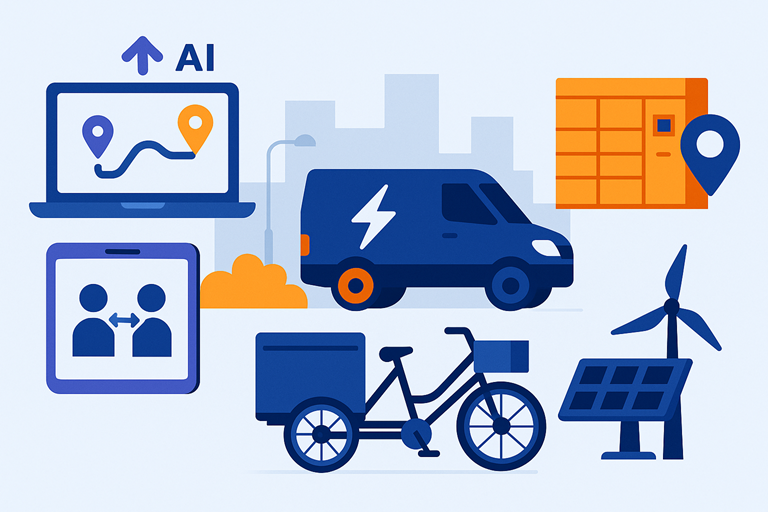
  • Route optimization through artificial intelligence: reduces travel distance and emissions. Here logistics software plays a crucial role by centralizing information and helping plan urban distribution more efficiently.
  • Light electric vehicles for last-mile delivery: perfect for urban areas with restrictions and narrow streets.
  • Collaborative digital platforms: promote shared logistics and reduce unnecessary trips.
  • Smart lockers and pickup points: lower failed deliveries and minimize duplicate routes.
  • Economies of scale in renewable energy: will make electric mobility increasingly cost-competitive in the coming years.

The role of citizens and the digital culture

Sustainable mobility in cities doesn’t depend solely on governments or companies. Citizens’ consumption and travel habits are also key. Choosing a bicycle or public transport instead of a private car, accepting more reasonable delivery times, or using shared mobility apps are small steps that make a big difference.

Digital culture is also essential: the more people use mobility and urban logistics apps, the more efficient the systems become. In this sense, public administrations should promote innovation without creating excessive barriers, encouraging solutions that bring real value to both businesses and citizens.

Frequently asked questions about sustainable mobility in cities

What is sustainable urban mobility?
It’s a transportation model that aims to reduce emissions, optimize resources, and improve quality of life through technology, clean energy, and efficient planning.

What role does technology play in sustainable mobility?
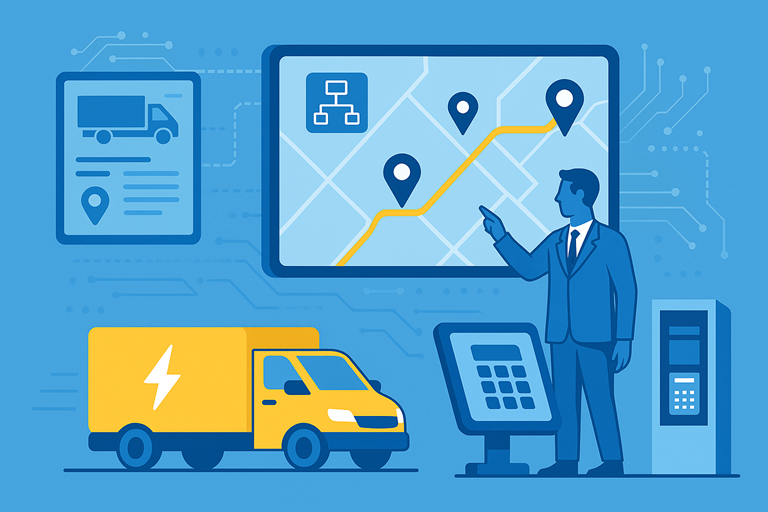
Technology enables the coordination of transportation systems, optimization of logistics routes, and implementation of solutions such as electric vehicles, collaborative platforms, and smart lockers.
movilidad sostenible en las ciudades - 02 - blog hedyla

How can companies contribute to sustainable mobility?
By adopting logistics software, electrifying fleets, sharing infrastructure, and collaborating in public-private projects that reduce the impact of urban transportation.

What is the main challenge of sustainable mobility in cities?
Balancing sustainability and competitiveness: ensuring that environmentally friendly solutions are also economically viable for companies and citizens.

Conclusion: technology and sustainability as the foundation of future cities

Sustainable mobility in cities cannot be achieved without the support of technology. Digitalization, artificial intelligence, and collaboration between public and private stakeholders are the pillars that will create more livable and competitive cities.

In the coming years, solutions that today seem innovative — such as urban management apps, electric vehicles, or collaborative logistics — will become the standard. Because sustainable urban mobility is not just a trend: it’s the path to a more efficient, equitable, and healthier future for cities.

Take your logistics to the next level
Discover how Hedyla's platform can help your company

Leave a Comment