

Proximity logistics has become an essential strategy for tackling the challenges of e-commerce. Having a single, efficient central warehouse is no longer enough—brands need to get closer to the customer, respond faster, and reduce the impact of last-mile delivery. In this article, we explore what proximity logistics is, how it benefits the transport sector, and why tools like TMS Software and e-commerce software are crucial.
What is proximity logistics?
Proximity logistics is a strategy based on decentralizing the supply chain to bring products closer to the end consumer. Instead of relying on large regional or national warehouses, this model favors small urban or local distribution centers—also known as microhubs—that enable faster and more efficient deliveries.
The goal is clear: improve the customer experience, reduce logistics costs (especially in the last mile), and lower the environmental impact of operations.
Why is it important in e-commerce?
E-commerce has changed the rules of the game. The promise of 24-hour delivery—or even same-day—is increasingly common, and logistics must adapt to this new standard. Proximity logistics offers several key advantages:
Ultra-fast deliveries
By operating from locations closer to the customer, transit times are reduced and punctuality increases.
Lower last-mile costs
The last mile can account for up to 50% of total logistics costs. By shortening distances, the cost per delivery drops, improving profitability.
Smaller carbon footprint
With fewer kilometers traveled and optimized routes, CO₂ emissions are significantly reduced, supporting a more sustainable logistics model.
Greater flexibility for the customer
Proximity allows for flexible options such as in-store pickup, broader delivery time slots, and even same-day delivery, boosting customer satisfaction.
The role of TMS Software in proximity logistics
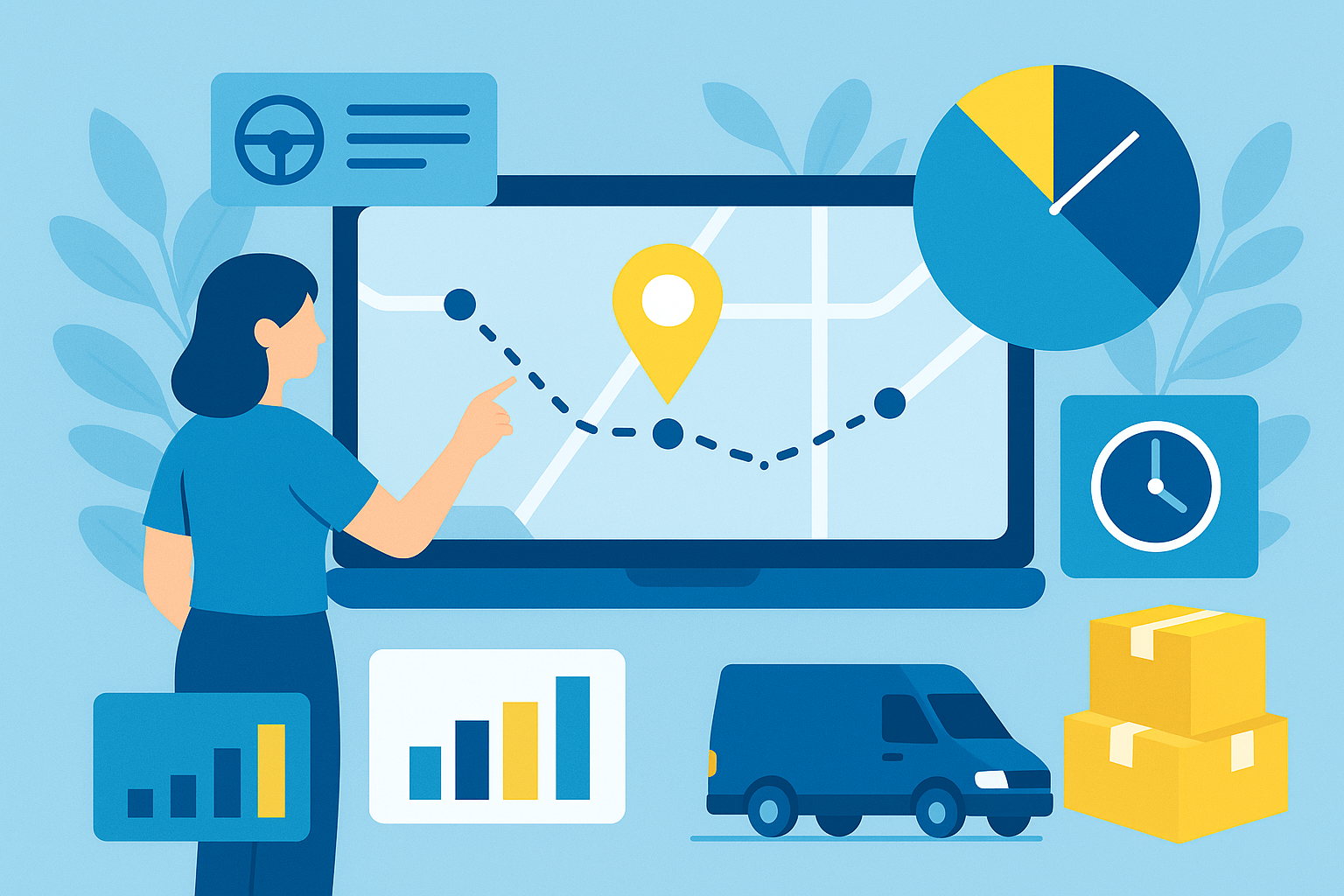
For transport operators, working under a proximity logistics model means managing multiple origins, complex urban routes, and increasingly tight delivery windows. In this context, a TMS Software (Transportation Management System) becomes essential.
This type of tool allows you to:
- Plan optimized routes to reduce distance, time, and operational costs.
- Automatically assign deliveriesbased on proximity, vehicle capacity, and availability.
- Gain full visibility over each shipment, improving traceability and enabling real-time responses to disruptions.
- Manage multiple logistics centers or urban warehouses from a single platform.
- Analyze performance and make data-driven decisions for continuous improvement.
For transporters, adopting a TMS is no longer a competitive advantage—it’s a necessity to stay relevant and meet the demands of today’s digital commerce.
How e-commerce software can help
Working with e-commerce clients requires speaking their language: digital, automated, and customer-focused. That’s where e-commerce softwarebecomes essential—especially when integrated with a logistics management system like a TMS.
Together, they allow you to:
- Receive orders automatically and convert them into scheduled deliveries without manual input.
- Sync inventory and order data in real time, avoiding errors and improving route planning.
- Send real-time notifications to the end customer about their delivery status, reducing support calls and complaints.
- Manage returns efficiently, which is a critical component of the e-commerce cycle.
For transport providers, this technology means better resource utilization, faster response times, and stronger relationships with e-commerce clients.
Real-world Examples of Proximity Logistics in Transport
Proximity logistics is already a reality in many cities and sectors, and it presents great opportunities for transporters who are ready to adapt. Here are a few real-life examples:
Retail stores as logistics hubs
Major brands use their physical stores as dispatch points for online orders. Transporters working with these models can perform more frequent and faster deliveries in specific zones.
Urban microhubs
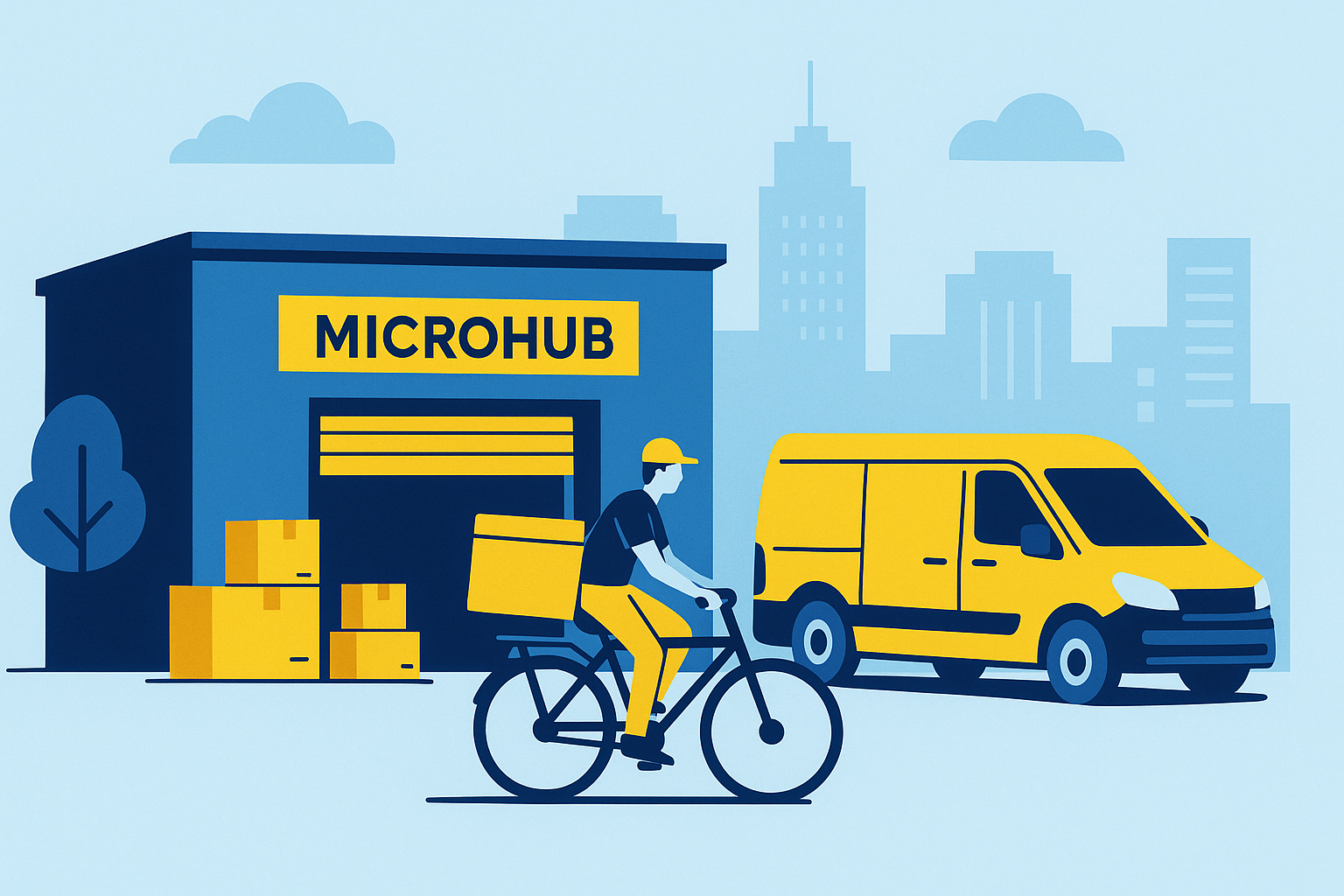
Small logistics centers are being established in the heart of cities to launch last-mile operations. This requires lightweight vehicles, flexible routes, and highly agile operations—ideal for well-equipped local carriers.
Collaborative transport networks
Multiple logistics operators are now sharing routes and resources to boost efficiency in urban areas. Technology makes this possible and allows for service expansion without increasing fleet size.
Urban reverse logistics
Returns are a crucial part of e-commerce. Having nearby facilities enables fast pickups and reintegration of returns into active delivery routes, optimizing every kilometer.
Conclusion
Proximity logistics has emerged as a powerful response to the demands of modern e-commerce. For transporters, this means adapting to new, more agile and flexible operating models, connected directly to the end customer. Tools like TMS Software and e-commerce software not only make this shift possible—they turn it into an opportunity to deliver higher-value service, cut costs, and stand out in an increasingly competitive market.
Those who embrace proximity and technology will be better positioned to grow alongside e-commerce. The transformation is already underway: the time to act is now.

Communications & Marketing Responsible at Hedyla
Multimedia Technical Engineer. Working 11 years in the Audiovisual and Communication Department of a multinational company. Responsible for the Marketing and Communication Department in several companies in the technology sector.
Designing digital strategies. Innovating and adding value to communication.