

Leading logistics teams in the transportation sector has never been more complex, or more strategic. Managers must coordinate drivers on the move, ensure on-time deliveries, and maintain smooth communication in an increasingly digital and competitive environment.
Below, we explore the main challenges, strategies, and tools to lead effectively and prepare teams for the future of logistics.
1. Key challenges in logistics leadership
Leading logistics teams means facing challenges that go far beyond simple route planning. The constantly changing environment and customer demands require leaders who can make quick and effective decisions.
The most common challenges include:
- Meeting delivery deadlines, despite issues such as traffic, weather, or access restrictions.
- Lack of real-time visibility, which complicates coordination and forces an overuse of manual resources.
- Balancing productivity with driver well-being, essential for maintaining motivation and reducing turnover.
In addition, external factors like cost pressure, mobility and sustainability regulations, or changes in customer demand also come into play. Logistics leadership must be flexible enough to adapt without compromising service quality.
2. Integrating empathy, communication and technology in logistics leadership
Overcoming these challenges requires an integrated approach that combines human leadership with technology. Successfully leading logistics teams means building trust, optimizing processes, and ensuring every team member has the tools they need to perform at their best.
Some key strategies include:
- Empathy as the foundation of leadership. Acknowledging the working conditions of drivers builds trust and commitment.
- Technology as an ally. Tools such as TMS software make communication, route planning, and issue resolution much easier.
- Relying on objective data. Delivery metrics and customer satisfaction scores help measure performance and support better decisions.
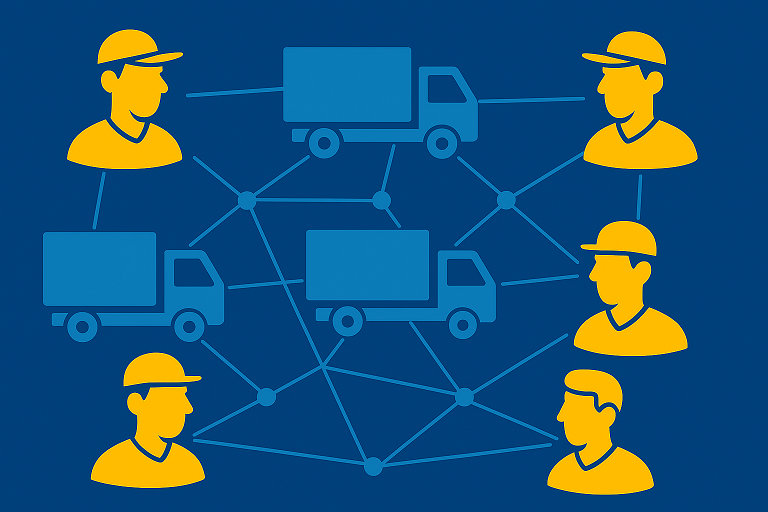
Another crucial strategy is encouraging smooth internal communication. Since transport teams are often geographically dispersed, clear and accessible channels make it easier to resolve issues quickly, avoiding delays or unnecessary errors.
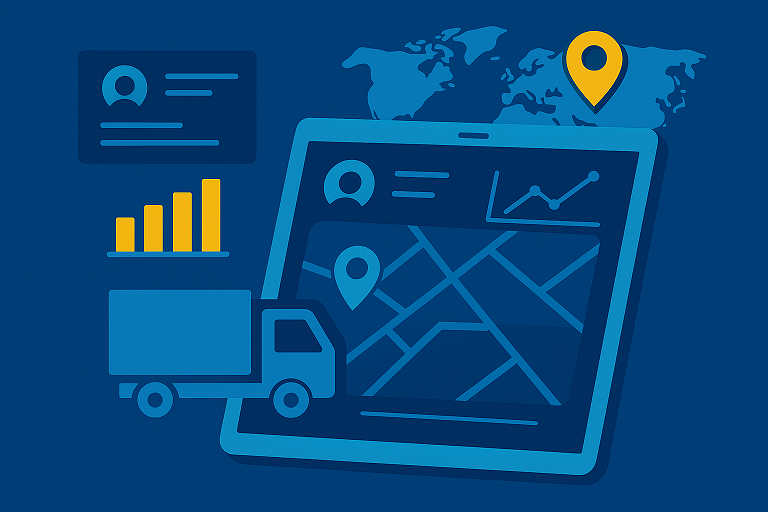
3. Digitalization and TMS software: the game changer
Digitalization has transformed transportation management and become a key differentiator for companies seeking growth. Using TMS software allows businesses to move away from inefficient manual processes toward more agile and precise management.
Main benefits include:
- Automation of repetitive tasks, freeing up time for strategic decision-making.
- Digital document management, reducing errors and improving traceability.
- Real-time support, thanks to vehicle geolocation and direct communication with drivers.
Modern TMS platforms also integrate data from multiple sources—traffic, weather, urban restrictions, or demand history. This not only improves route planning but also helps balance workload among drivers and maximize fleet usage.
4. Tips for starting logistics digitalization
Taking the leap toward digitalization can feel overwhelming. With the right planning, however, technology can be implemented without disrupting daily operations.
Some recommendations to start include:
- Define clear objectives: improve delivery times, optimize routes, or increase visibility.
- Advance in phases: digitalization is a marathon, not a sprint.
- Ensure data quality: without reliable data, no TMS software can deliver real results.
Equally important is training your workforce. New tools will only be successful if drivers and managers feel comfortable using them. Investing in training and support is key to ensure adoption and avoid resistance to change.
5. The role of motivation in logistics leadership
Team motivation is critical for achieving strong results. A motivated driver not only completes their route but also contributes to service improvements and inspires customer confidence.
Common practices include setting clear goals and incentives, publicly recognizing individual achievements, and creating a work environment where drivers feel part of a shared mission. Effective leadership must balance operational pressure with personal motivation.
6. Key Performance Indicators (KPIs) for logistics teams
Measuring performance is essential to identify improvement opportunities and remain competitive. Some of the most relevant KPIs are:
- Delivery times and adherence to time windows.
- Cost per mile or per route, to evaluate operational efficiency.
- Customer satisfaction, collected through surveys or feedback.
- Turnover and absenteeism, indicators of organizational health.
Tracking these KPIs, combined with TMS software, makes it easier to make strategic decisions based on reliable data.
7. The Future of logistics leadership
Logistics leadership will continue to evolve alongside technology and changing market demands. To stay competitive, companies will need to combine innovation, sustainability, and talent management.
Key trends shaping the future include:
- Artificial intelligence and advanced optimization for decision-making.
- Sustainability, focusing on reducing the carbon footprint of operations.
- Human adaptability, balancing automation with team motivation and commitment.
The future also points to a leadership model built on data and transparency. Leaders will need to justify decisions with clear KPIs, measure route efficiency, and demonstrate how TMS software contributes to achieving both business and sustainability goals.
Conclusion
Successfully leading logistics teams requires striking the right balance between people and technology. Building empathy, relying on data, and leveraging TMS software are essential steps to boost operational efficiency, cut costs, and ensure satisfaction for both teams and customers.

Communications & Marketing Responsible at Hedyla
Multimedia Technical Engineer. Working 11 years in the Audiovisual and Communication Department of a multinational company. Responsible for the Marketing and Communication Department in several companies in the technology sector.
Designing digital strategies. Innovating and adding value to communication.
El artículo del blog es muy completo y entendible, podemos observar que para tener un gran éxito en los procesos de logística influyen demasiadas cosas y que, para optimizar las operaciones, entregar en tiempo y forma influye mucho la tecnología que se usa para ejecutar las actividades, así como la motivación y herramientas que se le da a la persona que realiza los traslados en dado caso que sea necesario, la tecnología ha avanzado mucho, la cual nos permite usar herramientas que nos ayuden a medir desde los tiempos de entrega, costeos de kilometraje, rotación y principalmente saber que si hay un buen liderazgo en la organización de actividades la satisfacción de los clientes será mayor.