
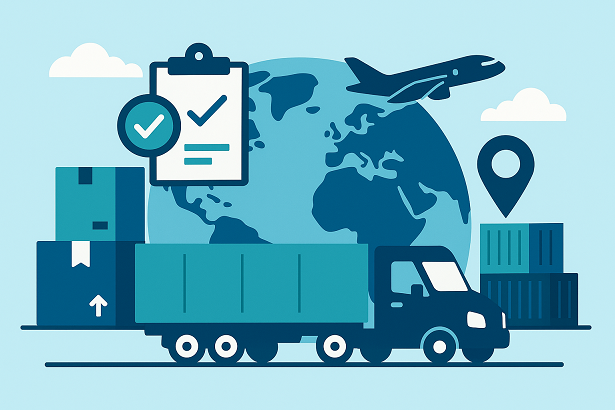
Reverse logistics has become an essential part of logistics operations, especially in sectors such as transportation, distribution, and e-commerce. While many companies are already familiar with its function, efficiently managing it remains a challenge—especially during peak and low seasons, when return flows can vary significantly.
Seasonality and its impact on reverse logistics
Logistics operations don’t behave the same way throughout the year. During peak seasons, such as the Christmas campaign, Black Friday, or sales periods, shipment volumes spike—and so do returns. Conversely, in low seasons, return volumes decrease, but so does the availability of resources, which can impact overall efficiency.
Managing reverse logistics in these two scenarios requires differentiated approaches and precise planning. It's not just about processing returns—it's about doing so quickly, with full traceability, and at the lowest possible cost.
Common challenges in seasonal reverse logistics
Some of the most common challenges in seasonal reverse logistics include:
- Unexpected volume spikes during peak season
- Limited human and material resources in low season
- Lack of traceability in return processes
- High costs due to inefficient warehouse and transport management
- Low visibility of returned inventory and its potential reuse or disposal
Keys to efficient reverse logistics management
To prevent reverse logistics from becoming a source of unnecessary costs and bottlenecks, it’s essential to apply best practices and rely on technological tools that enable companies to anticipate and adapt to change. Below are some key strategies to improve operational efficiency year-round:
Early and flexible planning
Efficient reverse logistics begins long before a return is initiated. It’s critical to forecast volumes based on historical data and promotional campaigns. This allows operational and transport capacity to be adjusted according to the season.
Process automation and digitalization
Automating the returns process—from the request to inventory reintegration—is vital. Tools like TMS Software help coordinate product return routes, manage incidents, and optimize logistics resources. They also enable integration with other systems such as ERP or WMS.
Smart classification of returned products
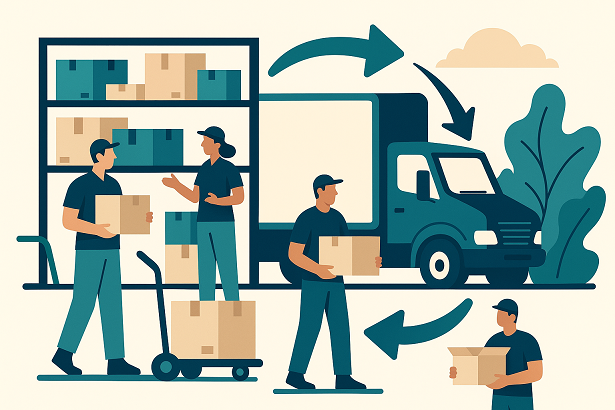
Setting clear criteria to classify returned products (refurbishable, recyclable, non-reusable) allows for quick decisions regarding their next steps and minimizes storage and handling costs. This classification should be integrated with real-time data provided by logistics software.
Optimize reverse transportation
Returns transportation can be costly if routes aren’t optimized. Using optimization algorithms and tech solutions helps consolidate pickups and reduce empty trips. In addition, integrating reverse logistics with pre-planned delivery routes improves overall efficiency.
Staff training and awareness
The success of efficient reverse logistics also depends on human factors. It’s crucial that teams are familiar with specific return protocols and are aware of their operational and financial impact.
Differences between peak and low seasons: adapting your strategy
Logistics demands are not the same during high and low activity periods. That’s why it’s essential to adapt reverse logistics strategies to seasonality, taking into account available resources and operation volume. Here’s how to tackle each scenario effectively:
Peak season: speed and scalability
During demand peaks, the main goal is to manage high volumes of returns without creating bottlenecks. Recommendations include:
- Temporarily increasing storage capacity
- Reinforcing work shifts and support staff
- Adding more return or pickup points
- Using real-time data to prioritize returns
Low season: efficiency and cost reduction
With fewer returns, the focus should shift toward resource optimization and process improvement:
- Consolidate reverse shipments to lower costs
- Review peak season KPIs and address bottlenecks
- Conduct maintenance and update systems and workflows
- Negotiate more flexible transport agreements based on lower volumes

KPIs for evaluating reverse logistics
Measuring reverse logistics performance is key for continuous improvement. Some useful KPIs include:
- Average return processing time
- Percentage of recovered or refurbished products
- Logistics cost per returned unit
- Customer satisfaction with return processes
- Packaging and resource reuse rate
The role of technology in modern reverse logistics
Specialized technology is essential for achieving operational efficiency in reverse logistics. Modular platforms that integrate routing, returns, tracking, and inventory functionalities provide a complete overview for faster, smarter decision-making.
A TMS Software provides competitive advantages by enabling the planning of reverse routes, reducing empty runs, and improving communication between warehouses, carriers, and customers.
Meanwhile, logistics software that allows for customizable workflows, automated notifications, and intuitive dashboards is key for achieving agility and adaptability.
Conclusion
Reverse logistics can no longer be treated as a footnote in the supply chain. When managed correctly, it becomes a strategic advantage. Adapting to the specifics of peak and low seasons, leveraging technology, and continuously measuring performance are what separate reactive operations from truly efficient ones.
Moreover, effectively managing returns strengthens brand image, improves customer experience, and contributes to product circularity—an increasingly important value for sustainability-minded companies. Businesses that integrate reverse logistics into their global strategy will be better positioned to face industry challenges and unlock new opportunities within the supply chain.

Communications & Marketing Responsible at Hedyla
Multimedia Technical Engineer. Working 11 years in the Audiovisual and Communication Department of a multinational company. Responsible for the Marketing and Communication Department in several companies in the technology sector.
Designing digital strategies. Innovating and adding value to communication.
Me parece acertado lo que se esta tratando y mas en empresas con una alta rotación, ya que plantea adaptar estrategias de planificación anticipada y automatización, tanto en temporada alta como baja, el cual permite una mejora en la trazabilidad de los procesos y reducción de costos mediante la clasificación inteligente de los productos en devolución
Coincidimos plenamente contigo. La logística inversa en entornos con alta rotación requiere precisamente esa combinación de planificación anticipada, automatización y visibilidad end-to-end. Contar con procesos más trazables y dinámicos permite no solo absorber mejor los picos y valles estacionales, sino también optimizar recursos, reducir costes operativos y agilizar la gestión de devoluciones mediante una clasificación más inteligente.
Nos alegra que el contenido te haya resultado útil y que aporte valor a los retos reales del sector.
¡Gracias por aportar a la conversación! Si tienes más experiencias o casos que quieras compartir, estaremos encantados de leerte.